Industry 4.0 stories
Enterprises in Ireland can now buy dedicated 5G networks directly from Logicalis after a regulatory change opened spectrum to non-telecoms firms.
Rising rack densities and changing cooling designs are forcing data centre operators to seek tighter monitoring and control across electrical systems.
Industrial groups under pressure to prove returns from digital spending will gather in Amsterdam for a closed-door AI forum.
Singapore startup's wearable data system could cut robotics training costs by up to 50 times as physical AI demand grows.
Unplanned outages can cost cash centres thousands of dollars an hour, making predictive maintenance a growing priority for operators and central banks.
Connected factory networks are widening the attack surface, with SonicWall warning that old flaws and weak access controls can expose production systems.
Customers can now push customised Multistrada V4 choices straight to Ducati's Borgo Panigale line, tightening the link between sales and assembly.
Real-time force sensing is cutting scrap and tray deformation on high-speed cosmetics lines, reducing waste and rework for manufacturers.
Most manufacturers are still testing physical AI, even as they expect it to reshape warehouses, assembly lines and logistics operations.
The move gives mine operators real-time visibility over fleet activity and could help cut costs as the market heads beyond USD $70 billion by 2030.
Better process visibility could help the Danish drugmaker shave 12 months or more off development, bringing medicines to patients sooner.
Manufacturers could cut compliance burden after Ultimo's trial found its AI safety agent flagged every recommended action without a miss.
The recognition reflects rising demand for safer, production-ready AI in robotics and industry, where testing and reliability now matter most.
Production line shutdowns and safety risks are pushing manufacturers to invest in OT defences built for ageing industrial systems.
Developers building robots and edge AI systems get cheaper, lower-power options as Nvidia widens its Thor-based Jetson range for local inference.
The designation highlights a fast-growing industrial AI market as enterprises look for systems that cut defects, downtime and latency.
Labour shortages and an ageing workforce are pushing Japanese manufacturers to test AI-controlled robots in factories, logistics and hospitals.
The Texas plant adds 500 jobs and a USD 700 million boost as demand for AI hardware drives more production on US soil.
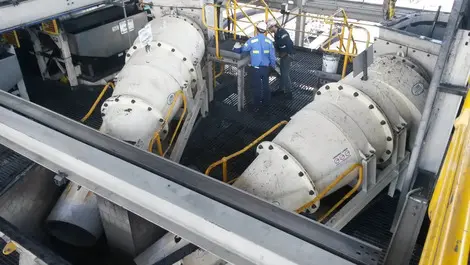
Australian coal producers using the RFID system have seen average yield gains of 6%, while lab turnaround has shrunk from weeks to minutes.
Growing threats to UK critical infrastructure have pushed Siemens and NCC Group to join forces on protecting industrial systems from cyber attacks.